

Starting Early: A Practical Approach to Environmental Review
If you work in affordable housing, environmental review likely sits high on your list of project risks. Everyone understands why NEPA and related reviews exist — protecting people, communities, and the environment matters. The challenge is how the process plays out under real timelines and real constraints.
For many housing authorities, environmental review feels less like a roadmap and more like a moving target. There is no single fix for this. But there is a practical way to make the process feel more like a planning tool.
Why Environmental Review Often Feels Slow
Environmental review is rarely slow by design. It becomes slow when expectations are unclear or change midstream. Across regions, we see differences in how requirements are interpreted, what level of documentation is expected, and when additional analysis is triggered.
What’s usually underestimated is the amount of knowledge and research required to navigate this process thoroughly. Environmental review demands familiarity with federal regulations, HUD guidance, state and local requirements, historical precedent, and evolving interpretations. Teams are expected to know which regulations apply, what documentation will be sufficient, how similar projects have been reviewed in the past, and which issues are likely to raise questions.
Uncertainty makes planning difficult. Project teams are asked to manage schedules, budgets, and resident needs without fully knowing how environmental review will affect the timeline. Staff spend significant time researching requirements and responding to clarifications, time that is often pulled from other competing priorities like asset management, resident engagement, or advancing the next project in the pipeline.
For agencies with limited staff capacity, this creates an obvious strain. The work needed to anticipate and manage environmental review is important, but it is rarely the only demanding task on the horizon.
The Cost of Delay
Delays in environmental review affect far more than paperwork. Each month a project stalls can mean higher construction costs, expiring funding commitments, extended relocations, and continued decline of existing housing conditions. For residents, delays often mean living longer in units that everyone agrees need attention. For agencies, it means explaining timelines they do not fully control while absorbing added costs to the budget.
In many cases, environmental review challenges come down to timing and communication. Reviews often begin after major project decisions are already made. Definitions are not always aligned early. Key questions like what constitutes a choice limiting action or what level of review is appropriate are answered late in the process. Time is now spent reacting and revising on the backend instead of planning on the front end.
Smoothing Out The Process
One of the most effective approaches we see is early coordination. When agencies bring environmental reviewers, HUD staff, and project teams together early, the picture becomes clearer. Documentation needs are better understood. Potential issues are identified when there is still flexibility to adjust scope or sequencing. The process becomes more intentional and predictable.
If there is one actionable step agencies can take, it is this: treat environmental review as an early planning conversation, not a downstream compliance task.
- Start by scheduling an early environmental briefing before design is finalized or funding is fully layered. Include your environmental reviewer, HUD contact, and key internal staff who will be responsible for project execution.
- Use that meeting to ask specific, practical questions. What level of review is anticipated? Which parts of this effort require environmental review, and can the project description be written so that one review covers all? What documentation will be required? Are there known triggers or sensitivities to be aware of? What actions should be avoided until clearance is complete? What public notices are required throughout the process?
- Document the answers and share them internally so everyone is working from the same assumptions. This creates a shared reference point for project planning and decision making.
- As the project evolves, maintain open communication. If scope or site conditions change, flag those changes early rather than waiting for formal submission. Small course corrections early can prevent major delays later.
Before design is finalized or funding is fully layered, schedule an early briefing with reviewers and key partners. Ask direct questions about documentation expectations, review level, and potential triggers. Capture those answers in writing and share them internally so everyone is working from the same playbook. Engaging early helps align expectations, surface risks, and reduce rework later.
Why This Approach Matters
Environmental review will always be a necessary safeguard. But it doesn’t have to be a last-minute hurdle. When treated as an early planning conversation rather than a downstream compliance step, it becomes more predictable, more manageable, and far less disruptive to project delivery. In a field where timing affects cost, funding stability, and resident well-being, that shift in approach matters.
About the Firm
CSG Advisors partners with housing authorities, housing finance authorities, public agencies, and industry stakeholders to navigate risk, strengthen decision-making, and move initiatives forward. We bring a practical, on-the-ground understanding of development, finance, operations, and policy. Grounded in real-world experience, our work is rooted in collaboration to help clients turn challenges into actionable paths towards long-term growth and sustainability.
Recent Podcasts

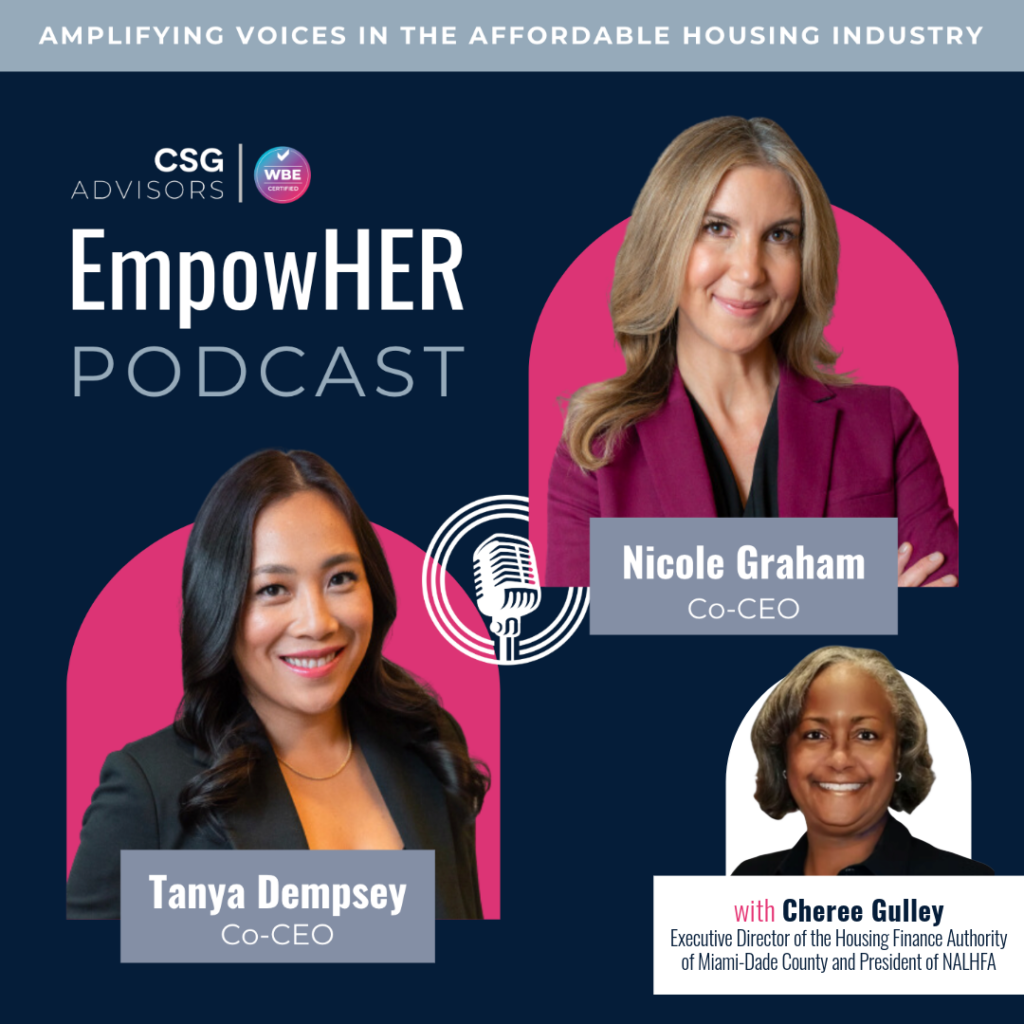
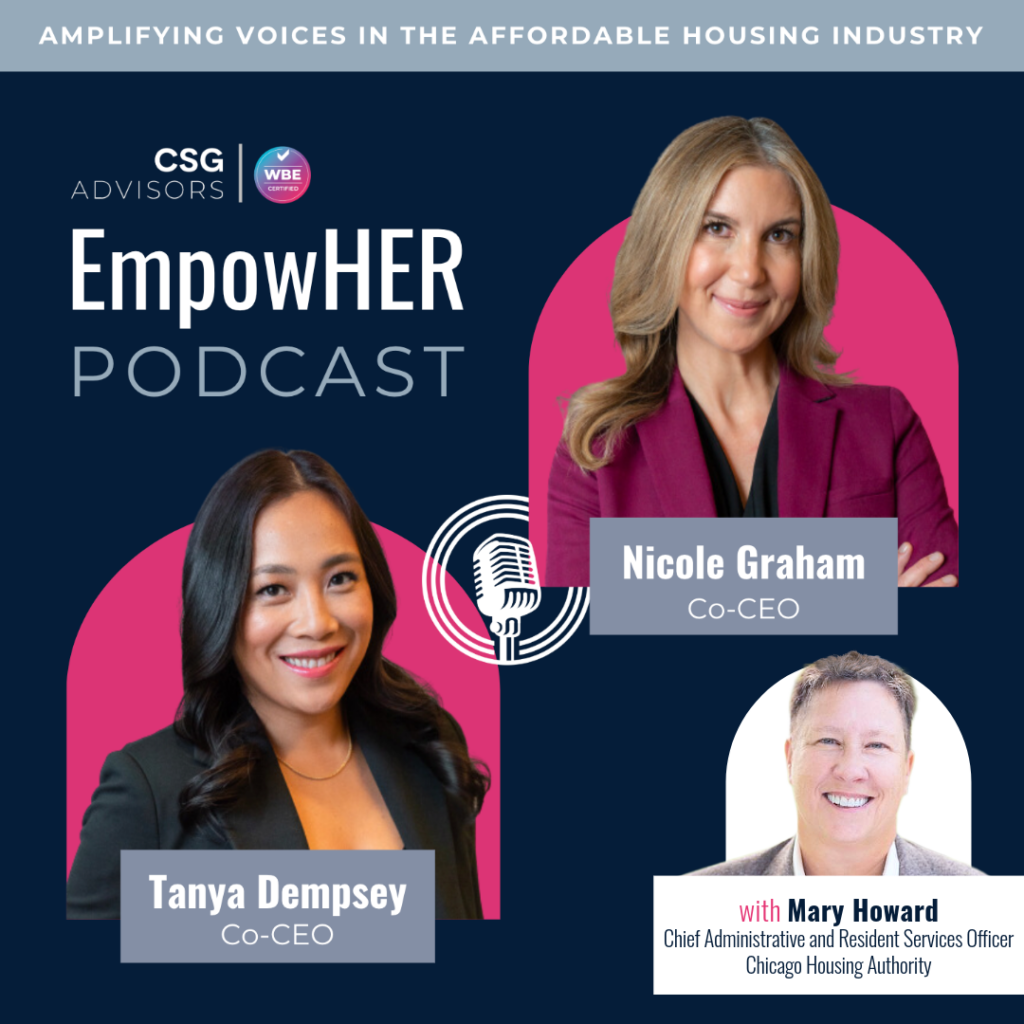
CSG Advisors Incorporated is a national, full service, independent financial advisor that assists public finance clients in the design, financing and implementation of affordable housing, urban redevelopment and economic development initiatives. Over the past 20 years, CSG has advised on more housing bonds than any other municipal advisor, as reported by Thompson Reuters. CSG Advisors is entirely employee-owned and independent. Employee owners include minorities and women.
Don't miss important news.
For the latest news and tips in public financing, sign up to be part of our mailing list.
"*" indicates required fields
We respect your privacy and protect it. Learn more by viewing our Privacy Policy.
And follow us on social:
CSG
Connect with an Advisor Today.