

Navigating Labor and Cost Pressures: Strategic Planning as a Solution
Housing authorities across the country are tasked with delivering affordable housing in an environment where construction costs continue to rise, labor requirements are becoming more complex, and financing gaps are widening. Understanding these pressures—and planning for them strategically—has become essential for agencies seeking to move projects from concept to completion.
The Impact of Davis-Bacon Requirements
For many affordable housing developments, Davis-Bacon prevailing wage requirements can substantially influence project budgets and timelines. While these requirements support workforce protections and fair wages, they can also increase labor costs and introduce additional compliance obligations that must be carefully managed throughout the development process.
One area that frequently requires careful consideration is the relationship between project size and federal labor standards. As developments approach certain thresholds, the application of Davis-Bacon requirements can significantly alter project economics, affecting everything from contractor pricing to financing assumptions.
Key Cost Drivers Affecting Affordable Housing Development
Understanding the factors that can influence project costs has become increasingly important. Labor standards, funding structures, compliance requirements, and market conditions can all affect project feasibility, often in ways that are not immediately apparent during the early planning stages.
One often-overlooked cost driver is the Section 3 economic opportunity requirement under the Housing and Urban Development Act of 1968. Under HUD’s updated 2021 regulations, compliance is measured primarily through labor hours benchmarks (25% of total labor hours for new construction and rehabilitation must benefit Section 3 workers). Compliance obligations fall on both the housing authority and contractors, who must track and document qualifying labor hours. These requirements add a layer of reporting and tracking that, while not always a direct line item in the development budget, will frequently be reflected in contractor bids and proposals. Housing authorities should anticipate these costs and account for them in their overall project planning.
Development Thresholds and Davis-Bacon Requirements
One of the most significant considerations is the impact of development size and federal labor standards. As projects exceed certain unit thresholds, additional Davis-Bacon prevailing wage requirements may apply, increasing labor costs and introducing new compliance obligations. While these requirements support workforce protections, they can significantly alter project budgets and financing assumptions if not identified early in the planning process. Development procurements should contain strong language around wage rates so that potential partners come into the project with reasonable cost expectations.
Project-Based Voucher (PBV) Triggers
Project-Based Vouchers remain a powerful tool for creating and preserving affordable housing, but their use can also trigger prevailing wage requirements and other federal obligations — particularly for new construction or substantial rehabilitation projects meeting applicable unit thresholds under 24 CFR Part 983. In some cases, developments that initially appeared financially viable may face increased costs once PBV-related labor standards are applied. Understanding how funding sources, unit counts, and program requirements intersect is essential to accurately evaluating project feasibility and avoiding unexpected budget shortfalls.
Project Labor Agreements and Cost Allocation
Labor market conditions continue to place pressure on construction budgets, leading many developments to consider Project Labor Agreements (PLAs) as part of their workforce strategy. A PLA is a pre-hire collective bargaining agreement that establishes the terms and conditions of employment for all contractors and subcontractors on a project. Importantly, even if a lower-cost, non-union contractor is available, all contractors working on a PLA-covered job site are required to pay union wage rates and provide union-equivalent benefits. PLAs are most commonly used in larger urban markets where union labor dominates the construction industry, but they are increasingly referenced in publicly funded projects and are worth understanding regardless of market context.
At the same time, housing authorities must carefully evaluate how labor-related costs are allocated across funding sources, project phases, and development components. Decisions regarding cost proration and allocation methodologies can have meaningful implications for compliance, financing, and long-term project sustainability.
Cost Escalation and Financing Gaps
Rising material prices, labor shortages, supply chain disruptions, higher borrowing costs, and—for certain federally funded projects—domestic content requirements under the Build America, Buy America Act (BABA) have combined to create financing gaps that were largely unforeseen when many projects were initially conceived. In some markets, developments that appeared financially viable just a few years ago now require additional subsidies, revised financing structures, or significant redesign efforts to move forward.
Taken together, these factors demonstrate why strategic planning is critical from the earliest stages of project development and continuous project evaluation throughout the development lifecycle. By evaluating potential cost drivers upfront and understanding how regulatory requirements interact with project financing, housing authorities can make more informed decisions, mitigate risk, and position developments for long-term viability and success.
These decisions can have meaningful implications for project financing, compliance, and long-term affordability. Careful evaluation of labor strategies and cost allocation methodologies can help ensure projects remain both compliant and financially sustainable.
Turning Challenges into Opportunities
Although various pressures present significant challenges, they do not have to completely derail your affordable housing development. The key lies in understanding the regulatory landscape, identifying risks early, and developing strategies that preserve both compliance and project feasibility.
Navigating these issues requires more than technical compliance—it requires strategic decision-making that balances policy requirements, financial realities, and community housing needs. With experienced guidance and a clear understanding of the development landscape, agencies can identify practical solutions, close financing gaps, and continue advancing projects that create lasting housing opportunities for the communities they serve.
Recent Podcasts

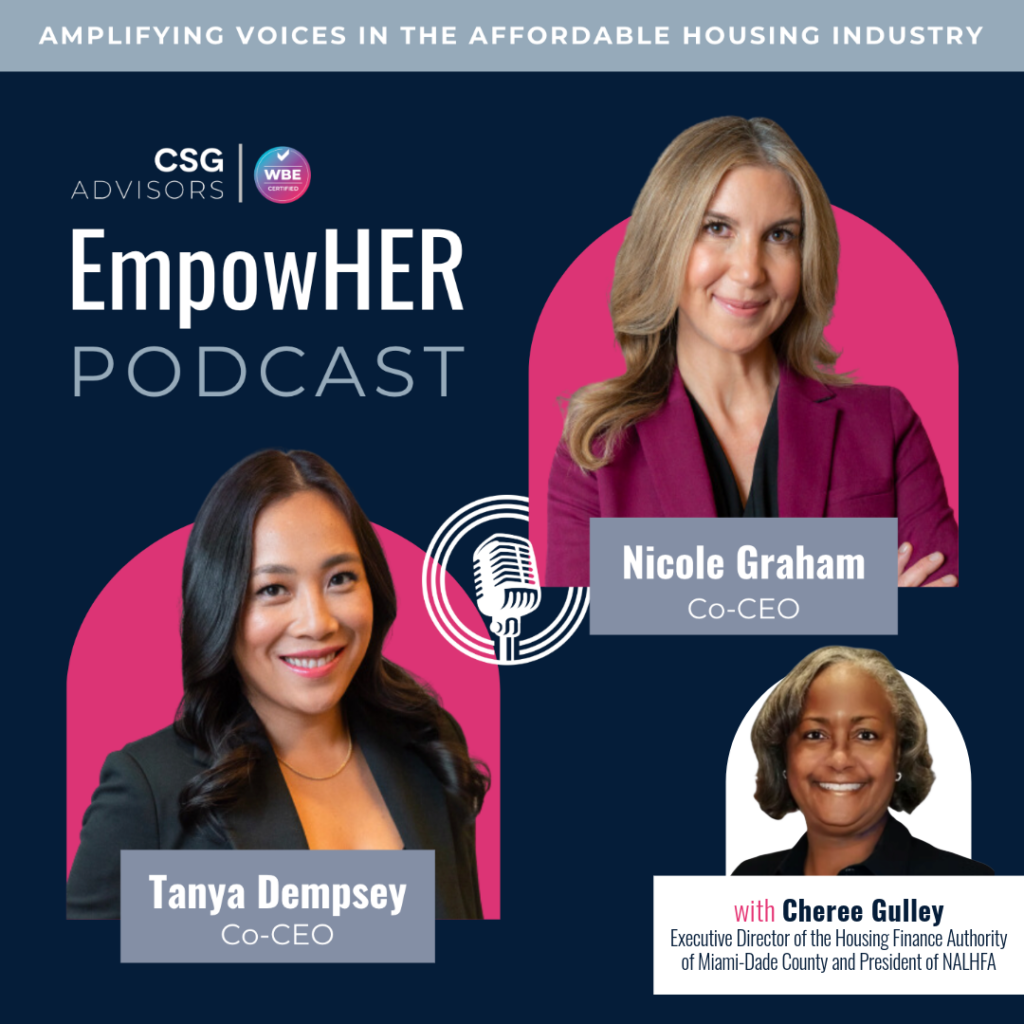
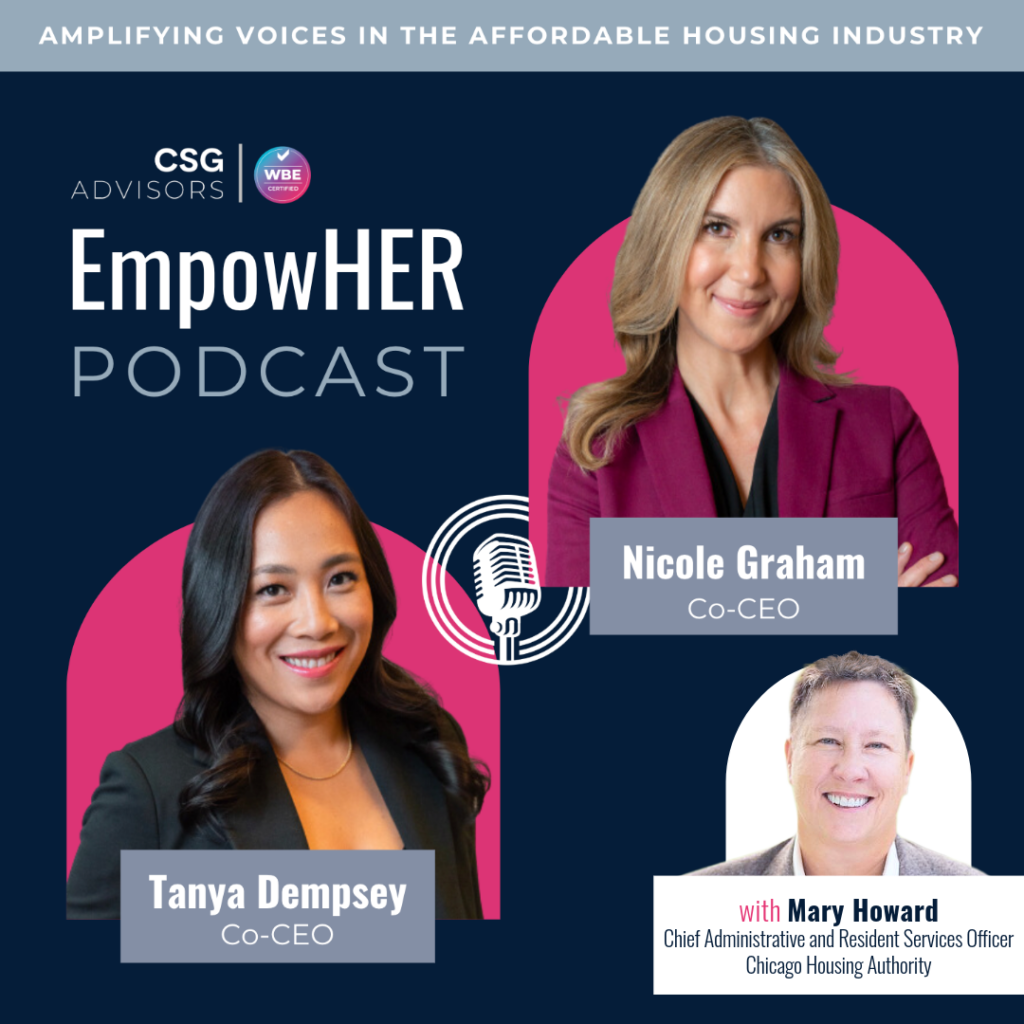
CSG Advisors Incorporated is a national, full service, independent financial advisor that assists public finance clients in the design, financing and implementation of affordable housing, urban redevelopment and economic development initiatives. Over the past 20 years, CSG has advised on more housing bonds than any other municipal advisor, as reported by Thompson Reuters. CSG Advisors is entirely employee-owned and independent. Employee owners include minorities and women.
Don't miss important news.
For the latest news and tips in public financing, sign up to be part of our mailing list.
"*" indicates required fields
We respect your privacy and protect it. Learn more by viewing our Privacy Policy.
And follow us on social:
CSG
Connect with an Advisor Today.